
Beyond the Ambulance: How Gaston County EMS Is Transforming Community Health Around the Clock
Listen to this Article
A New Approach to Community Care
When most people think of emergency medical services, they picture ambulances responding to emergencies. In North Carolina, however, Gaston County EMS (GEMS) is demonstrating that EMS can be much more.
Through an innovative Community Paramedicine program, funded in part through opioid settlement funding, GEMS has built a comprehensive model that addresses substance use disorder, supports victims of domestic violence, connects residents with critical resources, and provides specialized intervention when people need help most.
Most notably, the program operates with both day and night shift coverage, allowing Community Paramedicine personnel to remain available 24 hours a day. This approach enables the team to support field crews, respond to emerging needs, and engage vulnerable residents whenever help is needed. No-one gets turned down because they’re in crisis outside of business hours.
With this program, GEMS demonstrates what modern EMS can look like in communities facing complex health and social challenges.
Bringing Services Directly to the Community
The need for innovative approaches to healthcare is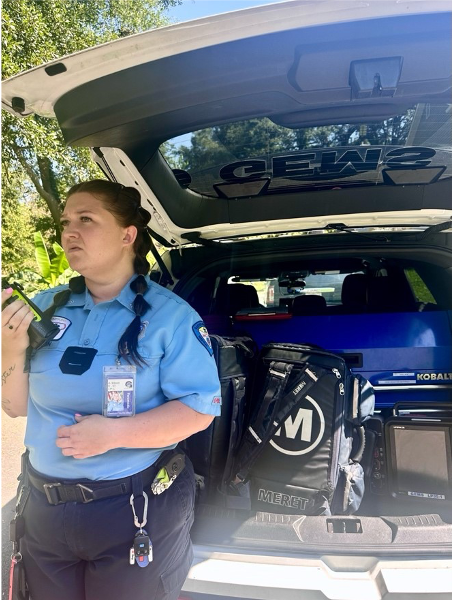 evident throughout Gaston County. While the county sits just west of Charlotte and benefits from the region’s continued growth, many residents continue to face significant socioeconomic barriers that influence health outcomes.
Like many rural and underserved communities across the country, Gaston County experiences challenges related to substance use disorder, healthcare access, transportation limitations, food insecurity, and economic hardship. Recognizing that these issues cannot be solved through emergency response alone, GEMS has embraced a proactive model of care.
Rather than waiting for residents to enter the healthcare system, Community Paramedicine personnel bring services directly into homes, correctional facilities, community gathering spaces, and emergency scenes. Their mission is simple: connect the county’s people to the care and support they need.
Addressing Social Drivers of Health
One defining feature of the GEMS Community Paramedicine Program is its emphasis on social drivers of health.
Regardless of how an individual enters the program, the team works to identify and address barriers that may be impacting that person’s health and well-being. Staff routinely help residents access primary care providers, food assistance programs, transportation resources, behavioral health services, housing support, assisted living placements, and other community-based services.
By addressing social drivers of health alongside medical needs, the program helps individuals achieve greater stability while reducing the likelihood of future healthcare crises.
Building Trust Through Community Engagement
Community Paramedicine personnel are also active participants in the communities they serve.
Whether attending food distribution events, participating in outreach activities, or engaging with residents at community gatherings, the team uses every opportunity to build relationships and identify unmet needs. These interactions often create pathways to care for individuals who may never otherwise seek assistance.
By showing up consistently and building trust, GEMS is helping create stronger connections between healthcare providers and the communities they serve.
Engaging with Crises Around the Clock
While outreach events and scheduled treatment visits remain vital components, the impact of the GEMS Community Paramedicine Program extends well beyond those limits.
Because the program maintains both day and night shift coverage, specialized personnel remain available 24 hours a day to support patients and EMS crews throughout Gaston County. Community Paramedicine personnel can respond alongside traditional EMS resources during active 911 incidents involving a suspected overdose, substance use-related emergencies, or domestic violence cases involving strangulation.
This unique capability allows the team to provide specialized assessments, initiate connections to recovery and support services, and begin care navigation immediately following a crisis. The ability to intervene during and immediately after an emergency creates opportunities for meaningful engagement at some of the most critical moments in a person’s life.
Supporting Survivors of Domestic Violence
The Community Paramedicine Program also partners with Hope United to support victims of domestic violence, particularly those who have experienced strangulation.
Strangulation can result in serious medical complications that may not be immediately visible. To address this risk, Community Paramedicine personnel evaluate injuries, conduct follow-up assessments, and help survivors access appropriate care and support services.
The team utilizes thermal imaging technology to assist in identifying injuries that may otherwise go unnoticed. They also provide care navigation services that connect survivors with healthcare providers, advocacy organizations, and community resources.
This specialized response helps ensure that victims receive both immediate medical attention and longer-term support as they move toward safety and recovery.
Bringing Treatment into the Jail
One of the program’s most innovative initiatives is its jail-based Medication-Assisted Treatment (MAT) program.
Each day, a GEMS paramedic enters the Gaston County Jail and works alongside detention staff to identify individuals who wish to begin (or continue) treatment for opioid use disorder. Small groups of inmates receive medication under direct observation from the paramedic, ensuring safe administration and adherence to treatment protocols.
Accompanying the paramedic is a peer support specialist, who provides an equally valuable service. Drawing from lived recovery experience, the peer specialist helps participants navigate recovery-related challenges, offers encouragement, and connects individuals with resources that can support their success following release.
Together, the clinical and peer support components create a clear pathway from incarceration to recovery.
Supporting Recovery in the Community
Of course, recovery support doesn’t stop at the jail doors. GEMS also operates a field-based MAT program that brings treatment and recovery services directly into the community.
Individuals receiving care have access not only to medication-assisted treatment, but also to peer support services that help sustain long-term recovery.
Recognizing that transportation remains one of the most significant barriers to longitudinal treatment, GEMS operates a Recovery Transport Unit dedicated to helping individuals access recovery-related appointments. Whether a patient needs transportation to MAT services, counseling appointments, therapy sessions, or other recovery programs, the team works to ensure that transportation challenges do not become barriers to care.
This approach reflects a broader understanding: recovery depends not only on medical treatment, but also on consistent access to services, supportive relationships, and community connections.
A Model for Rural Health Transformation
Across the country, healthcare leaders are searching for innovative ways to address addiction, behavioral health challenges, healthcare access barriers, and the social determinants that drive poor health outcomes. Gaston County EMS offers a compelling example of what is possible when EMS agencies are empowered to think beyond traditional emergency response.
By combining medication-assisted treatment, peer support, recovery transportation, support for domestic violence survivors, support for social drivers of health, community outreach, and 24hour availability, GEMS has developed a model that addresses both immediate medical needs and the underlying challenges that affect community health.
The program recognizes that improving health outcomes requires building strong relationships, removing barriers, creating pathways to recovery, and ensuring that support is available whenever and wherever it is needed. By meeting these needs GEMS is not only treating disorders, but transforming lives, strengthening communities, and demonstrating the future of EMS, one connection at a time.
Community Impact
Gaston County EMS demonstrates how Community Paramedicine can improve community health by addressing urgent medical needs alongside the social and practical barriers that often contribute to repeated crises. Through 24-hour coverage, medication-assisted treatment, peer support, recovery transportation, domestic violence response, and connections to community resources, GEMS creates multiple pathways for residents to receive help. This coordinated approach strengthens continuity of care, supports long-term stability, and helps reduce reliance on emergency services as the primary point of access to treatment and support.
Rural Health Initiatives
The GEMS model reflects the goals of rural health transformation by bringing care directly to people who may face limited access to providers, transportation, behavioral health services, and recovery resources. By extending services into homes, correctional facilities, community spaces, and active emergency scenes, the program helps close gaps that traditional healthcare settings cannot always reach. Its use of opioid settlement funding also demonstrates how communities can invest in sustainable, locally designed programs that expand access, strengthen recovery infrastructure, and respond to the specific health and social needs of their residents.
Program Design & Implementation
Operating a program with this breadth requires flexible workflows, consistent documentation, coordinated referrals, and a longitudinal view of each person’s care. HealthCall supports Community Paramedicine teams by enabling them to document clinical encounters and social needs, standardize program-specific assessments, track services and referrals, and coordinate follow-up across multidisciplinary care teams. These capabilities help programs manage distinct initiatives within a connected system, evaluate patient progress over time, and demonstrate how interventions delivered in the field contribute to measurable clinical, operational, and community outcomes.
Frequently Asked Questions
What is the Gaston County EMS Community Paramedicine program?
It’s a proactive care model from Gaston County EMS (GEMS) in North Carolina that goes beyond emergency response. Funded in part by opioid settlement dollars, the program addresses substance use disorder, supports domestic violence survivors, and connects residents to critical health and social resources directly in their homes and communities.
Is Community Paramedicine available 24 hours a day?
Yes. The program operates both day and night shifts, so specialized personnel are available 24/7 to support patients and EMS crews. No one is turned away for being in crisis outside of business hours.
What services does the Community Paramedicine team provide?
The team offers medication-assisted treatment (MAT), peer support, recovery transportation, domestic violence survivor support, and help accessing primary care, food assistance, housing, behavioral health, transportation, and other community-based services.
How does GEMS help people with opioid use disorder?
GEMS runs both a jail-based and a field-based Medication-Assisted Treatment program. A paramedic and peer support specialist provide medication under observation and recovery guidance, creating a pathway from incarceration or crisis to long-term recovery.
How does the jail-based Medication-Assisted Treatment (MAT) program work?
Each day, a GEMS paramedic enters the Gaston County Jail and works with detention staff to identify inmates who want to begin or continue opioid use disorder treatment. Small groups receive medication under direct observation, while a peer support specialist offers encouragement and connects them with resources for success after release.
How does the program support domestic violence survivors?
In partnership with Hope United, the team supports survivors, especially those who experienced strangulation. They use thermal imaging to detect hidden injuries, conduct follow-up assessments, and connect survivors with healthcare providers and advocacy resources.
What is the Recovery Transport Unit?
It’s a dedicated GEMS service that transports individuals to recovery-related appointments such as MAT services, counseling, therapy, and other programs, so transportation is not a barrier to ongoing treatment.
How can someone access Community Paramedicine services?
Residents can be connected through 911 emergency responses, jail intake, community outreach events, or referrals. The team proactively brings services into homes, correctional facilities, and community spaces rather than waiting for people to seek care.
What are "social drivers of health" and why does the program focus on them?
Social drivers of health are non-medical factors like housing, food access, and transportation that affect well-being. GEMS addresses these alongside medical needs to help residents achieve stability and reduce future healthcare crises.
Can Community Paramedicine respond during a 911 emergency?
Yes. Because the team is available 24/7, personnel can respond alongside traditional EMS during active 911 incidents such as suspected overdoses, substance-related emergencies, or domestic violence cases involving strangulation. They provide specialized assessments and begin connecting patients to recovery and support services immediately.